SNCR Systems
Selective Non-Catalytic Reduction SYSTEMS
Peerless Emissions Management engineers Selective Non-Catalytic Reduction systems offering a lower-cost solution to reduce NOx emissions by 50-75% from boilers, furnaces and kilns. Injector locations are determined by CFD modeling of each unit’s furnace and exhaust gas profiles, delivering high-efficiency NOx removal with a reduced total cost of ownership and minimal downtime to retrofit completion.
PEERLESS EMISSIONS
Lower-Cost NOx Reduction. Energy Efficient. Streamlined Retrofits.
How SNCR Works
The SNCR process injects a reagent, urea or ammonia mixed with air and water, into the furnace section of field-erected boilers within a NOx reduction reaction temperature window of 1,650-2,100°F. In that window, the reagent reacts with NOx to form harmless nitrogen and water.
HIGH TEMPERATURE PROCESS
SNCR is a higher temperature process that does not require a catalyst. It is slightly less efficient than Selective Catalytic Reduction (SCR), which uses a catalyst to reduce NOx more efficiently at lower temperatures. Both technologies share the same goal: reducing the NOx generated by combustion sources such as boilers, gas turbines and engines.
Selective NON-Catalytic Reduction
SNCR Technologies
SNCR TECHNOLOGY
Advanced Injector Design
The design, arrangement and location of reagent injectors are critical to the performance of an SNCR system. Peerless SNCR technology uses variable droplet size control and automatic tilting injectors based on furnace temperature to enhance NOx reduction performance. The unique tilting injector design was developed to improve efficiency and reduce equipment costs.
SNCR TECHNOLOGY
CFD-Driven Injector Placement
Optimum injector locations are determined by computational fluid dynamics (CFD) modeling of furnace and exhaust gas profiles. CFD modeling and flow analysis are part of the in-house engineering capabilities Peerless brings to every system design.
SNCR TECHNOLOGY
SNCR System Package
A complete Peerless SNCR system package includes:
- Urea or ammonia pump skid
- SNCR injectors
- Injection distribution module
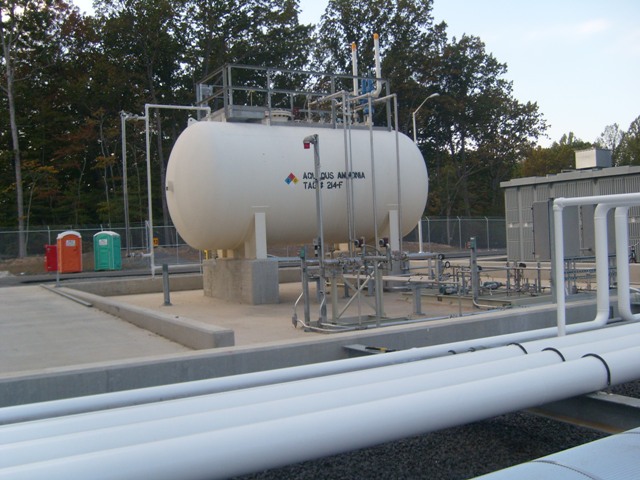
- Reagent storage tank
SNCR TECHNOLOGY
Reagent Selection
Peerless SNCR systems inject either urea or ammonia. Safety, availability, environment and cost are all factors when choosing a system that uses aqueous ammonia, anhydrous ammonia or urea as a reagent.
Engineering and Aftermarket Services
Peerless is the expert in assessing, troubleshooting, testing and tuning combustion and emissions control systems. Our TWIC-certified, experienced engineers perform a wide range of services on utility boilers, industrial boilers, package boilers, turbines, HRSGs, recovery boilers, thermal oxidizers and auxiliary equipment.
On-Site Engineering Services and Assessments
Broader engineering support spans CFD modeling and flow analysis, combustion optimization services, emission engineering and consulting, engineering assessments, equipment upgrade ROI analysis, PLC programming and support, parts, systems support, long-term service agreements, on-site technical advisory engineers and operator training.
Peerless combustion and DeNOx technologies have been installed for hundreds of steam generators worldwide, ranging in size from 10 MW (25,000 lb/hr steam generation) to 800 MW, and on thermal oxidizers and dryers.